SPECIALIST PRIVATE PRACTICE FOR CHILDREN AND ADOLESCENTS IN SLIGO
All Kinds of Minds
Assessments

All Kinds of Minds Assessments provides Clinical Psychologist-led, neurodiversity-affirmative assessment of Autism, A.D.H.D., S.L.D. (dyslexia and dyscalculia), and cognitive profiles for children and adolescents aged 6 and up to, but not including, 18 at referral in Sligo. Autism and A.D.H.D. pathways are available where support needs fall within the low-to-moderate range.
Comprehensive, individualised, and evidence-based process to clarify strengths, differences, and support needs.
-
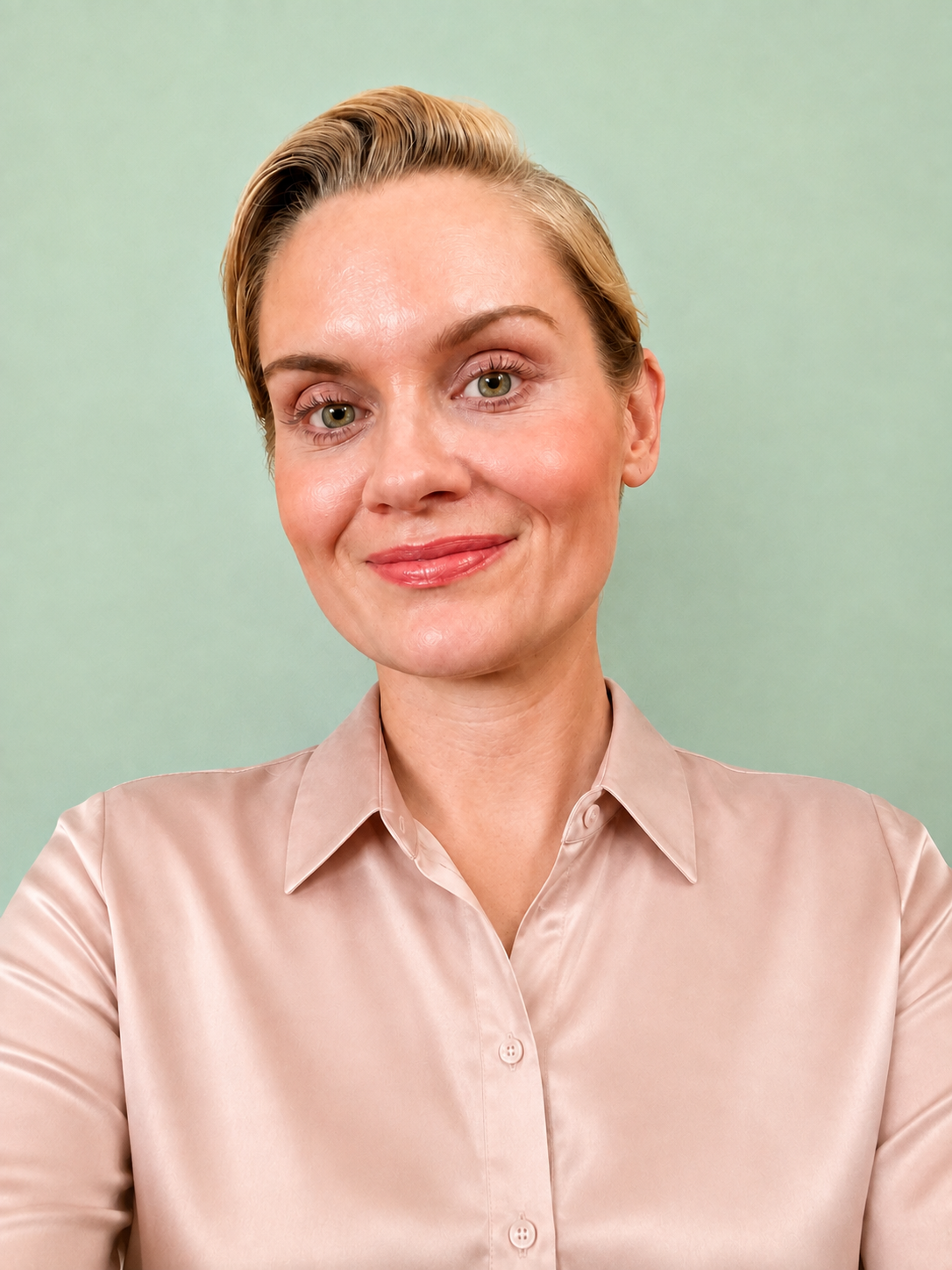
My name is Shaun Frandsen, and I am a Chartered Clinical Psychologist (No. M5560C) practising in Sligo, where I reside with my family. I studied and trained in the U.S. as a Clinical Psychologist (i.e., at the University of Georgia for my undergraduate education and then the Pacific University Psy.D. Programme for post-graduate training). After moving to Ireland, I applied for and was granted a Statement of Equivalency; this involved an assessment of my education and clinical training in the U.S. by the Irish Department of Health Validation Unit. I was employed in the Irish Public Sector for 15-years, and I worked for nine of those years at Senior Grade. Initially, I was employed in the Mater Child and Adolescent Mental Health Service (C.A.M.H.S.), then in the H.S.E. West and Northwest C.A.M.H.S., and finally in the H.S.E. West and Northwest Primary Care Psychology Service. In total, since commencing in university as an undergraduate and beginning my education in psychology, I have been immersed in the field for 28-years.
Over time, I have developed expertise in providing neurodevelopmental assessments for children and adolescents. I practise from a neurodiversity-affirmative paradigm while also adhering to evidence-based practice. I have found that confirmation of neurodivergent status, for many young people, prompts a process of greater understanding (i.e., of self, others, and systems), advocacy, awareness, and acceptance. For parents, understanding their neurodivergent child’s identity can positively inform and even transform the parental response—which, in turn, can bolster the ability of the parent to connect meaningfully with their child and ultimately strengthen the parent-child relationship. I am a passionate and dedicated professional ally and advocate within the neurodiversity movement. It is important to me that the individuals I work with—children, adolescents, and parents—feel respected, empowered, seen, and heard throughout this process.
-
Tina Usborne is a Senior Speech and Language Therapist with more than thirty-five years of post-qualification experience across Ireland and the United States. She is registered with the C.O.R.U. Speech and Language Therapists Registration Board (SL016775) and currently holds a Senior S.L.T. post within the H.S.E.
Tina is a Trinity College graduate whose career spans 35 years across primary care, hospital, and school settings. She spent a decade working in North America across hospital and school districts before returning to Ireland, where she has practised at Senior Grade in the H.S.E. West and Northwest since 1997.
Her clinical expertise centres on communication, language, and social interaction, with extensive experience supporting children and adolescents with neurodevelopmental differences. She has completed A.D.O.S.-2 Clinical Training through Trinity College Dublin and is highly experienced in the administration, scoring, and interpretation of the A.D.O.S.-2.
-
For private Autism Assessments in which A.D.O.S.-2 Module 3 is used, the A.D.O.S.-2 appointment is undertaken collaboratively by the Clinical Psychologist and Tina Usborne, an experienced C.O.R.U.-registered Speech and Language Therapist (SL016775) who contributes to these assessments in a private professional capacity. These multidisciplinary appointments are scheduled on Sundays.
Both clinicians participate in the Module 3 appointment and jointly score the A.D.O.S.-2. The findings are then considered alongside the wider assessment evidence, with the respective clinical contributions and professional perspectives integrated into the Autism formulation. The Clinical Psychologist remains professionally responsible for the Clinical Psychology components of the assessment, while Tina remains professionally responsible for the Speech and Language Therapy work she undertakes.
For some adolescents and young people assessed using A.D.O.S.-2 Module 4, multidisciplinary participation may also be clinically appropriate, and Tina may contribute to the assessment in the same way. In other cases, Module 4 may be undertaken by the Clinical Psychologist alone where this is considered more conducive to the young person’s comfort and participation. Some adolescents may feel more self-conscious, observed, or inhibited when more than one clinician is present, particularly during an assessment that involves extended conversation and social interaction. In these circumstances, limiting the number of clinicians present can help create a less pressured environment in which the young person is better able to engage in a way that feels natural to them. The composition of the Module 4 appointment is therefore considered individually, taking account of the young person’s preferences, comfort, communication style, presentation, and the wider clinical context.
In all cases, A.D.O.S.-2 findings are interpreted within the wider assessment rather than in isolation, and diagnostic conclusions are reached through integration of the relevant evidence with explicit reference to D.S.M.-5-T.R. criteria.
Assessments
-

Autism Assessment
Neurodiversity-affirmative Autism assessment for children and adolescents aged aged 6 and up to, but not including, 18 at referral with low-to-moderate support needs, led by a Clinical Psychologist with multidisciplinary input.
-

A.D.H.D. Assessment
Clinical Psychologist-led A.D.H.D. assessment for children and adolescents aged aged 6 and up to, but not including, 18 at referral with low-to-moderate support needs, where medication consultation is not being sought.
-

S.L.D. Assessment
Dyslexia and dyscalculia assessment provided for children and adolescents aged 6 and up to, but not including, 18 at referral, with an optional Feedback Appointment available after receipt of the report.
-
Cognitive Assessment
Cognitive Assessment for children and adolescents aged 6 and up to, but not including, 18 at referral, providing a clear understanding of the individual pattern of cognitive strengths and differences, with an optional Feedback Appointment.

“Instead of trying to change us, society should adapt and accommodate our differences.”
-
Provide an inclusive environment in which children, young people, and families feel respected, valued, and heard.
Recognise and communicate each child’s individual strengths, abilities, differences, and support needs.
Respect and validate the challenges neurodivergent children and adolescents may experience, including those arising from environments and systems that do not adequately accommodate their needs and preferences.
Support meaningful and proportionate accommodations that improve access, participation, and well-being.
Understand each child within the broader context of their development, relationships, educational environment, experiences, and circumstances.
Support parents to understand and respond to their child’s neurodevelopmental profile in ways that promote connection, confidence, autonomy, and self-advocacy.
Consider the relationship between neurodevelopment, learning, mental health, and environmental demands, and identify when further assessment or support may be appropriate.
Conduct assessment with professionalism, integrity, and adherence to current evidence and best-practice standards. Conclusions are based on the available evidence, with alternative and co-occurring explanations considered carefully and diagnostic conclusions made only where supported.
Support the rights, inclusion, and meaningful participation of neurodivergent children and adolescents across educational and community settings.
Engage in continuing professional development, including attention to research and perspectives contributed by neurodivergent researchers, clinicians, and communities.
-
What is Neurodiversity?
Neurodiversity describes the natural variation in human neurology across the whole population. It provides a framework for understanding differences in attention, perception, learning, communication, sensory processing, and social experience as part of human diversity.
While neurodiversity refers to neurological variation across all people, neurodivergent describes individuals whose neurological development or functioning differs from what is conventionally expected. On this website, the term is used primarily in relation to neurodevelopmental differences relevant to this practice, including autism, A.D.H.D., S.C.D., dyslexia, and dyscalculia.
The concept and theory of neurodiversity emerged collectively within autistic activist communities, particularly online communities, during the mid-1990s. Although the term has often been attributed to Judy Singer, archival evidence demonstrates that ideas concerning “neurological diversity” were already being articulated within autistic communities in 1996. Contemporary scholarship therefore supports understanding neurodiversity as a concept developed collectively rather than originating with any single individual. Read more.
The Social Model of Disability emphasises the role that social, environmental, and systemic barriers can play in creating or intensifying disability. From this perspective, difficulties may arise not simply from an individual’s characteristics, but from a mismatch between those characteristics and environments that do not adequately recognise or accommodate different ways of thinking, learning, communicating, socialising, or processing sensory information.
A neurodiversity-affirmative approach therefore seeks both to understand the individual and to reduce unnecessary barriers around them. This may involve flexible approaches to learning, assistive technology, sensory-informed environments, appropriate educational accommodations, accessible communication, and greater acceptance of neurodivergent ways of being.
This approach does not minimise genuine areas of difficulty or disability. Rather, it recognises that strengths, differences, support needs, and disability can coexist, and that the extent to which a person experiences difficulty is influenced by both their individual profile and the demands and responsiveness of their environment.
It also involves challenging stigma, stereotypes, and assumptions about neurodivergent people, while promoting dignity, inclusion, autonomy, and equitable opportunities to participate in education, family life, community life, and society more broadly.
Practice Q + A
-
When choosing a private practice for an assessment, it is important to understand both the services provided and the boundaries of the practice. This helps ensure that expectations are clear and that the assessment pathway is appropriate to your child’s needs. The information below outlines some important aspects of service provision at All Kinds of Minds Assessments.
Note: All information should be reviewed in the Terms of Service prior to requesting an assessment.
-
All Kinds of Minds Assessments provides assessments for children and young people from age 6 at the time of referral up to their 18th birthday.
For children under 6 years of age, parents should consult their child’s G.P. regarding the appropriate H.S.E. pathway or consider another private provider offering assessment for younger children.
For young people aged 18 years or over, the appropriate adult assessment pathway should be explored through their G.P. or another private provider offering adult assessment.
-
Assessment Fees
The applicable assessment pathway, overall fee, and payment arrangement are confirmed before the assessment begins. Each assessment fee below applies to the agreed professional pathway as a whole rather than to individual assessment measures or appointments, except where a separate appointment fee is expressly stated.
Parent Consultation
A Parent Consultation is required before Autism, A.D.H.D., and related combined neurodevelopmental assessment pathways proceed. The fee is €200. The Parent Consultation is a separate professional service, is paid in full when booked, and is not included within the subsequent assessment fee.
Autism and A.D.H.D. Assessment Pathways
Autism Assessment: The assessment fee is €2,200, giving an overall total of €2,400 when the required Parent Consultation is included.
Autism and Cognitive Assessment: The assessment fee is €2,700 where Cognitive Assessment is clinically indicated and has been agreed as part of the Autism pathway. The overall total, including the required Parent Consultation, is €2,900.
A.D.H.D. Assessment: The assessment fee is €1,400, giving an overall total of €1,600 when the required Parent Consultation is included.
Combined Assessment Pathways
Combined Autism and A.D.H.D. Assessment: The combined assessment fee is €2,700, giving an overall total of €2,900 when the required Parent Consultation is included.
Combined Autism and S.L.D. Assessment: The combined assessment fee is €3,000 where a new Cognitive Assessment is required, giving an overall total of €3,200 when the required Parent Consultation is included. Where sufficiently recent and clinically suitable Cognitive Assessment findings are already available and do not need to be repeated, any applicable reduced fee will be confirmed before the combined assessment is agreed.
Combined A.D.H.D. and S.L.D. Assessment: The combined assessment fee is €1,700, giving an overall total of €1,900 when the required Parent Consultation is included. This pathway includes the Cognitive and Attainment Assessment work required for the S.L.D. component within the integrated assessment.
Combined Autism, A.D.H.D. and S.L.D. Assessment: The combined assessment fee is €3,000, giving an overall total of €3,200 when the required Parent Consultation is included. This pathway includes the relevant Cognitive and Attainment Assessment work required for the S.L.D. component within the integrated assessment.
Standalone Cognitive and Learning Assessments
The following pathways do not require a preceding Parent Consultation.
Standalone S.L.D. Assessment: The assessment fee is €800 and includes assessment for dyslexia and/or dyscalculia.
Standalone Cognitive Assessment: The assessment fee is €600.
Cognitive and Adaptive Behaviour Assessment: The assessment fee is €1,000.
An optional Feedback Appointment may be booked separately following receipt of the report for €200.
Payment Arrangements
For Autism, A.D.H.D., and related combined assessments, the assessment fee may be spread across an agreed payment schedule rather than being paid in full at the outset. Invoices are ordinarily issued monthly in 4–6 instalments, although a different reasonable timeframe may be agreed where needed. The payment schedule is confirmed before the assessment begins. The €200 Parent Consultation remains separate from the instalment arrangement and is payable in full when booked.
The Standalone S.L.D. Assessment fee is divided across the two principal assessment appointments, with €400 payable when each appointment is booked. The Standalone Cognitive Assessment and Cognitive and Adaptive Behaviour Assessment fees are payable in full when the assessment is booked. Optional Feedback Appointments are separate professional services and are booked and paid for when requested.
Release of the Report
The final Psychological Report is released once the assessment has been completed and all fees due for the agreed assessment pathway have been paid in full. Where an agreed payment schedule continues beyond completion of the clinical assessment, the report will ordinarily be released once the final agreed payment has been received.
-
Some private health-insurance policies provide partial reimbursement towards psychological, developmental, or neurodevelopmental assessments. Cover varies substantially between insurers and individual plans. The type of assessment covered, amount reimbursed, annual or lifetime limits, excesses, referral requirements, practitioner requirements, and other conditions can all differ, and some plans provide no benefit for these assessments.
Assessments at All Kinds of Minds are led by a Chartered Clinical Psychologist with the Psychological Society of Ireland (P.S.I.).
All Kinds of Minds meets the practitioner requirements specified by Laya Healthcare for the assessment types provided by this practice. Under Laya Healthcare's current rules, A.D.H.D., Cognitive/I.Q., Educational/Learning, Dyslexia, and Dyscalculia assessments may be completed by a Chartered Psychologist. These assessments at All Kinds of Minds are completed by a P.S.I. Chartered Clinical Psychologist. For Autism, Laya specifies a multidisciplinary team overseen by a Chartered Psychologist. Autism assessments at All Kinds of Minds are led by the Chartered Clinical Psychologist and include multidisciplinary input from a Speech and Language Therapist. This meets the practitioner specification described in Laya's current rules. View Laya Healthcare's current assessment requirements
Meeting an insurer's practitioner requirements does not mean that reimbursement is guaranteed. The child or young person must also have a policy that includes the relevant assessment benefit, and any other conditions attached to that benefit must be satisfied. Families should therefore check their individual policy rather than assume that an assessment is covered because it is being completed by an appropriately qualified practitioner.
Vhi provides developmental or neurodevelopmental assessment benefits under some plans, with the amount and applicable conditions depending on the individual policy. Members should check their own Table of Benefits to establish the cover available to them. Vhi information on claims and cover
Irish Life Health similarly provides a Child Development Benefit under some policies towards developmental or neurodevelopmental assessment. The amount available and applicable conditions depend on the particular plan. Irish Life Health Child Development Benefit information
Before Booking an Assessment:
Families and young people for whom insurance reimbursement is important should check their individual policy directly with their insurer before booking. The insurer can confirm whether the relevant assessment is covered, any practitioner or referral requirements that apply, the amount or proportion that may be reimbursed, and any other conditions attached to the benefit. The independent Health Insurance Authority comparison tool can also be used to review and compare benefits across Irish private health-insurance plans.
Receipts for Insurance Claims:
Appropriate receipts can be provided by All Kinds of Minds Assessments on request for payments made towards an assessment or other professional service. Where an assessment is paid through instalments or involves separately booked professional services, receipts can be provided for the relevant payments. Families should check directly with their insurer regarding any particular documentation required to support a claim.
Responsibility for establishing insurance cover and making a claim rests with the parent, guardian, young person, or policyholder. All Kinds of Minds Assessments can provide appropriate receipts and factual information concerning the assessment, payment, and practitioner. However, the practice cannot determine whether an individual policy provides cover, obtain prior authorisation, interpret an insurer's policy terms on behalf of a family, submit a claim, or guarantee that an insurer will reimburse any part of the assessment fee.
Assessment fees remain payable in accordance with the agreed payment arrangement irrespective of whether a health-insurance claim is subsequently accepted, partly reimbursed, or declined.
-
Some assessment expenses may qualify for Income Tax relief as health expenses. Revenue generally provides relief for qualifying health expenses at the standard rate of Income Tax, currently 20%. Relief may be claimed for qualifying expenses paid for yourself, a family member, or another individual.
Revenue's rules distinguish between different types of psychological and diagnostic expenses. Its current guidance provides that psychological services may qualify in certain circumstances, including where the applicable practitioner or referral requirements for a diagnostic procedure are satisfied.
Revenue – What Are Qualifying Health Expenses?
Revenue also makes separate provision for certain psychological assessment expenses relating to a qualifying child. A qualifying child is generally a person under 18 years of age, with provision also applying in certain circumstances to a young person over 18 who remains in full-time education.
Revenue – Additional Health Care Expenses for a Child
Assessments provided by All Kinds of Minds Assessments are undertaken by a Chartered Clinical Psychologist with the Psychological Society of Ireland (P.S.I.). Revenue nevertheless applies its own criteria when determining whether a particular assessment expense qualifies for tax relief, including any practitioner or referral requirements that apply. Families should therefore not assume that every assessment provided by All Kinds of Minds will automatically qualify for tax relief.
Receipts can be provided by All Kinds of Minds Assessments on request for payments made towards an assessment or other professional service. Revenue requires receipts to support claims, and current information about claiming health expenses is available from Revenue – How to Claim Health Expenses.
Determining whether an assessment expense qualifies for tax relief remains the responsibility of the parent, guardian, young person, or other person making the payment. All Kinds of Minds Assessments cannot determine an individual's eligibility for tax relief, interpret Revenue's rules on their behalf, calculate the relief available, or submit a tax claim.
Assessment fees remain payable in accordance with the agreed payment arrangement irrespective of whether tax relief is subsequently available.
-
All Kinds of Minds Assessments is an assessment-focused practice and does not provide psychological intervention, therapy, or ongoing post-diagnostic support beyond comprehensive feedback and a detailed report. Where psychological or mental-health support may be helpful, a child or young person’s G.P. can advise on appropriate public or private services.
Neurodivergent children and young people do not require psychological intervention simply because they are neurodivergent. Neurodevelopmental differences are not mental-health conditions, and many neurodivergent individuals experience good psychological well-being when their neurotype is understood, their needs are meaningfully supported, and unnecessary environmental barriers are reduced.
At the same time, neurodivergent individuals can experience co-occurring mental-health difficulties, and these should be recognised and supported in their own right. Persistent low mood, significant anxiety, trauma-related distress, or other emotional difficulties should not be dismissed as an inevitable or “typical” part of autism, A.D.H.D., dyslexia, or another neurodevelopmental profile. Neurodivergent children and young people have the same right to timely, appropriate, and equitable mental-health support as their non-neurodivergent peers.
For some neurodivergent individuals, mental-health difficulties may be influenced or intensified by a prolonged mismatch between their needs and the environments around them. Repeated misunderstanding, inadequate accommodation, sensory or social demands, exclusion, chronic stress, and experiences of adversity can all affect psychological well-being. This does not mean that mental-health difficulties are inherent to neurodivergence, but it highlights the importance of understanding distress within the context of the individual’s wider experiences and environment.
Where a neurodivergent child or young person has significant co-occurring mental-health needs, their G.P. should be consulted so that appropriate assessment, support, and referral options can be considered.
-
Valid consent is required before any neurodevelopmental assessment at All Kinds of Minds can proceed. The approach to consent reflects the H.S.E. National Consent Policy, as well as the particular requirements of this private practice.
For children under 16 years of age, All Kinds of Minds requires the agreement of all identified legal guardians before proceeding with a planned neurodevelopmental assessment. This practice policy is intended to ensure that assessment proceeds with appropriate agreement about what is being requested and in the child’s best interests.
Children should also be supported to understand and participate in the assessment process in a way that is appropriate to their age, development, communication style, and individual preferences.
Young people aged 16 or 17 years can provide their own consent for assessment. However, neurodevelopmental assessment at All Kinds of Minds requires relevant developmental and contextual information from a parent or caregiver. Given this, the young person’s consent will also be sought for appropriate parent or caregiver involvement in the assessment process. Where the young person does not consent to this involvement, the assessment cannot proceed within this practice.
Where Legal Guardians Disagree:
Occasionally, legal guardians may have different views about whether a neurodevelopmental assessment is appropriate or in the child’s best interests at the time it is sought. All Kinds of Minds requires freely given consent from all identified legal guardians before a referral for a child under 16 can be accepted. Where this consent is not available, including where legal guardians disagree about whether assessment should take place, the referral cannot be accepted and the assessment will not proceed within this practice.
Where consent or the authority to proceed with an assessment would need to be established through court proceedings or a court order, this introduces a level of legal and family-system complexity that falls outside the scope of this private practice.
All Kinds of Minds does not provide mediation, legal advice, legal opinion, or assistance in resolving disputes between legal guardians regarding consent.
Who Is a Legal Guardian in Ireland?
Legal guardianship is not determined simply by whether someone is a child’s biological parent or has day-to-day care of the child. The legal position varies according to family circumstances.
In common situations:
Where a child’s parents are married, both parents are legal guardians. If they marry after the child’s birth, the father becomes a legal guardian. Separation or divorce does not, by itself, end either parent’s guardianship.
Where parents are not married, the mother is automatically a legal guardian. An unmarried father may also acquire guardianship automatically where the statutory cohabitation requirements are met: 12 consecutive months of cohabitation after 18 January 2016, including at least three consecutive months living with the mother and child following the child’s birth.
An unmarried father may also become a guardian through a statutory declaration agreed with the mother or by court appointment.
Other circumstances—including adoption, donor-assisted reproduction, same-sex parenthood, court-appointed guardians and other family arrangements—can also affect guardianship. The H.S.E. National Consent Policy provides a fuller summary.
Parents and guardians are responsible for informing All Kinds of Minds of all individuals who hold legal guardianship and for providing accurate information regarding guardianship arrangements. Where guardianship is uncertain or disputed, appropriate documentary confirmation may be required before assessment proceeds.
For further information, please refer to the H.S.E. National Consent Policy.
-
All Kinds of Minds Assessments provides Autism and A.D.H.D. diagnostic assessments where the child’s or young person’s support needs fall within the low-to-moderate range, Specific Learning Disability (S.L.D.) assessment for dyslexia and/or dyscalculia, and Cognitive Assessment. Combined pathways are also available where more than one area requires formal assessment.
Assessment takes place within a broader process of clinical formulation rather than considering a possible diagnosis in isolation. When Autism is being assessed, clinically relevant characteristics associated with other neurodevelopmental profiles, including A.D.H.D. and Social (Pragmatic) Communication Disorder, may be considered where relevant to differential formulation. Mental-health and other clinical presentations that may contribute to, coexist with, or provide an alternative explanation for aspects of the child’s or young person’s presentation are also considered. A formal A.D.H.D. diagnostic conclusion is made only where A.D.H.D. assessment forms part of the agreed assessment pathway.
When Other Services May Be More Appropriate:
The most appropriate assessment pathway depends on the individual child’s or young person’s needs and the broader clinical context.
Significant support needs or possible Intellectual Disability: Where a child or young person has significant support needs, particularly where there are indicators of possible Intellectual Disability or broader complex disability-related needs requiring interdisciplinary input, assessment through the H.S.E. Children’s Disability Services pathway is more appropriate. Children’s Disability Network Teams (C.D.N.T.s) are designed to support children and young people with complex needs associated with disability and can provide multidisciplinary assessment, intervention, and ongoing support where indicated.
Moderate-to-significant mental-health needs or risk: Where a child or young person is experiencing moderate-to-significant mental-health difficulties, self-harm, or other safety concerns, those needs should take priority regardless of neurotype. Parents should first consult the child’s or young person’s G.P. or another appropriate healthcare professional so that the presenting needs can be assessed and the appropriate service pathway identified. Where the threshold for specialist mental-health services is met, C.A.M.H.S. provides multidisciplinary assessment and treatment for children and adolescents with moderate-to-severe mental-health difficulties. Neurodevelopmental assessment can subsequently be considered through the appropriate pathway once those needs have been sufficiently assessed and supported.
-
All Kinds of Minds Assessments is a small, specialised private practice providing neurodevelopmental assessments. Neurodevelopmental assessment is most useful when a child or young person is sufficiently settled and supported to participate meaningfully in the process.
The presence of emotional or mental-health needs does not, in itself, mean that neurodevelopmental assessment is inappropriate. However, where there are significant current mental-health needs or safety concerns, these needs require appropriate assessment and support before a neurodevelopmental assessment proceeds with this private practice.
This may apply where a child or young person is experiencing significant emotional distress or self-injury, or thoughts, plans, behaviours, or circumstances that raise substantial concerns about their own safety or the safety of others. The main consideration is whether the child or young person’s current needs require more immediate or ongoing support, or are likely to affect their ability to participate safely and meaningfully in the neurodevelopmental assessment process.
Where significant mental-health concerns are present, the first step should be to contact the child or young person’s G.P. The G.P. can consider the nature, duration, severity, and impact of the difficulties and advise on the most appropriate pathway. Depending on the nature and level of need, this may include the H.S.E. Child and Adolescent Mental Health Service (C.A.M.H.S.).
Prioritising significant mental-health or safety needs does not rule out a later neurodevelopmental assessment. Once these needs have been assessed and meaningfully supported, assessment can be reconsidered where it remains clinically appropriate and the child or young person is sufficiently supported to participate meaningfully in the process.
All Kinds of Minds Assessments does not provide emergency, crisis, or ongoing mental-health services. Emails are not monitored for urgent safety concerns and should not be used to communicate information requiring an immediate response. If a child or young person requires urgent help, please attend the nearest Emergency Department and contact their G.P. for appropriate follow-up.
-
All Kinds of Minds Assessments is not a child-protection or safeguarding service. Where there are concerns that a child or young person is experiencing or has experienced abuse, neglect, exploitation, or other harm, these concerns require attention through the appropriate statutory services and may mean that a private neurodevelopmental assessment is not appropriate at that time.
The Clinical Psychologist and Speech and Language Therapist undertaking relevant assessment work through All Kinds of Minds Assessments are Mandated Persons under the Children First Act 2015 and have professional and legal responsibilities in relation to child protection and welfare. If concerns arise or relevant information is disclosed during any stage of contact or assessment, the information will be considered in accordance with Children First, and the relevant clinician will take any action required. This may include making a report to the Child and Family Agency (Tusla). Mandated Persons are legally required to report to Tusla where the statutory threshold is met, while reasonable child-protection or welfare concerns may also be reported where they do not reach the threshold for a mandated report.
Where appropriate and safe to do so, concerns will ordinarily be discussed with the child or young person and the relevant parent or legal guardian. However, confidentiality cannot be maintained where information needs to be shared in order to fulfil child-protection responsibilities, and it may not always be appropriate or safe to inform the family before a report is made. Tusla advises that a family need not be informed where doing so could place the child at further risk, impair Tusla’s ability to assess the concern, or create a risk of harm to the person making the report.
Information about recognising and reporting child-protection or welfare concerns is available from Tusla – Reporting a Concern About a Child. Further information about the responsibilities of Mandated Persons is available from Tusla – Mandated Persons.
-
All Kinds of Minds Assessments is a clinical assessment practice and does not undertake forensic, court-directed, or court-related assessment work. This includes Section 32 and Section 47 reports, Section 27 reports in child-care proceedings, child-welfare reports, voice-of-the-child reports, parental-capacity assessments, and other assessments commissioned to inform family-law or child-care proceedings. The Courts Service provides further information about the different types of reports about children used in court proceedings.
Separation, divorce, an ongoing separation or divorce process, or the existence of family-law proceedings does not automatically make a neurodevelopmental assessment unsuitable. An assessment may be considered where every person whose consent is required freely agrees that it should proceed, the referral has an appropriate clinical purpose, and the family or legal circumstances do not create an unresolved issue that materially affects the child’s welfare, the validity of consent, confidentiality, the reliability or availability of relevant information, professional objectivity, or the non-forensic nature of the service.
A referral will not be accepted where a legal guardian objects to or disputes the proposed assessment, where consent would need to be compelled or established through court proceedings, or where unresolved disagreement concerning guardianship, custody, access, contact, or other parenting arrangements materially affects the assessment. The practice may also decline a referral where significant family conflict creates a reasonable concern that the child or young person may be placed within an unresolved adult dispute, that important information may be unavailable or unreliable, that professional objectivity or the integrity of the assessment may be compromised, or that the assessment process or report is likely to be used to advance conflicting legal positions.
Additionally, All Kinds of Minds does not mediate between parents or legal guardians, seek consent on one person’s behalf, provide family-law advice, resolve disputed accounts of family circumstances, or offer an opinion about how a guardianship or parenting dispute should be determined.
Reports issued by the practice are prepared for diagnostic understanding, clinical formulation, educational planning, and the identification of appropriate supports. They are not forensic reports or expert-witness reports and are not prepared for the purpose of litigation or giving evidence in legal proceedings. A person who is lawfully entitled to hold and disclose an existing report may subsequently provide it to a solicitor, court, or another relevant person. Such later use does not retrospectively alter the report’s original clinical purpose or scope, convert it into a forensic report, or create an expert-witness relationship with All Kinds of Minds.
All Kinds of Minds does not provide written submissions, opinion letters, addendum reports, litigation-related interpretation, court attendance, or other professional opinions for the purpose of family-law proceedings. Acceptance of an ordinary clinical assessment does not constitute agreement to undertake any later role connected with legal proceedings.
Families seeking an assessment or report for use in legal proceedings should discuss the appropriate professional pathway with their legal adviser. The P.S.I. Chartered Psychologist Online Directory may assist in identifying a psychologist whose professional scope and experience include the particular work required. Individual psychologists remain responsible for practising within their areas of competence.
Where a clinical neurodevelopmental assessment cannot appropriately proceed through All Kinds of Minds while family-law proceedings or significant family conflict remain active, the relevant H.S.E. or statutory pathway, or a suitably qualified professional with appropriate forensic or family-law expertise, should be considered. If the material disagreement is subsequently resolved and all required consent can be freely and validly provided, a new referral may be considered according to the circumstances, clinical suitability, and practice capacity existing at that time.
-
Teachers are important and valued contributors to the assessment of children and young people. They can provide information about learning, participation, communication, attention, regulation, relationships, and functioning within the educational environment, including through questionnaires, school records, written observations, and focused clarification where clinically appropriate. Their contribution forms part of the wider assessment evidence and is considered alongside information from the child or young person, their family, direct assessment, developmental history, and other relevant sources.
Any contact or consultation with school staff has a defined and time-limited purpose within the agreed assessment. Its purpose is to obtain or clarify information needed to understand the child’s or young person’s presentation and complete the clinical formulation. Participation by a teacher or school does not create a separate professional relationship with the practice or an entitlement to continuing consultation, feedback, teacher training, school meetings, implementation support, or other professional work after the assessment has been completed.
A teacher or school does not acquire an entitlement to the private report because it referred the family, contributed information, completed questionnaires, communicated with the Clinical Psychologist, or has an educational interest in the findings. For a child under 16, the report is issued to the appropriate parent or legal guardian. For a young person aged 16 or 17, it is issued to the young person in accordance with the applicable consent and confidentiality arrangements. The person to whom the report is issued decides whether to provide it to the school or an individual member of school staff.
Within this assessment-focused practice, the Clinical Psychologist’s role is to develop a clear understanding of the child’s or young person’s neurodevelopmental, cognitive, and/or learning profile, including their strengths, differences, functional needs, and any accommodations or supports that may be helpful. The role does not extend to providing educational or career guidance, directing or overseeing the implementation of supports within a school, providing teacher training, or assuming an ongoing consultative role with school staff.
The Psychological Report can provide important professional evidence to help the child or young person, their family, and, where the report is shared with them, their school understand the assessed profile and plan appropriate supports. Recommendations are based on the individual assessment findings, demonstrated functional needs, strengths, and educational circumstances rather than on diagnosis alone. Where an accommodation or support is professionally justified, it will be stated clearly and explained in relation to the child’s or young person’s access, participation, and learning.
A recommendation within a Psychological Report does not, by itself, create an automatic entitlement to a particular educational support, resource, or accommodation. Decisions about the supports that can be provided, the manner in which they are implemented, and how they are subsequently reviewed remain the responsibility of the school and, where applicable, the relevant educational body or scheme.
Schools in Ireland ordinarily identify, plan for, and respond to educational needs through the Department of Education and Youth’s Continuum of Support framework. Teacher professional learning, school-development support, and guidance concerning inclusive educational practice are provided through the appropriate education structures, including the National Educational Psychological Service and the National Council for Special Education.
-
All Kinds of Minds Assessments does not offer student or trainee placements, clinical supervision placements, work experience, shadowing, or observational opportunities.
The practice is an independent, specialist Clinical Psychology-led service whose clinical model is specifically designed around the provision of neurodevelopmental assessment to children and adolescents. It is not established or operated as a training placement setting.
Providing a high-quality professional training placement involves considerably more than allowing a student or trainee to observe or participate in clinical work. It requires a structured programme of learning, protected supervision time, governance and oversight, competency development and evaluation, and planned opportunities to meet the educational requirements of the relevant training programme. These functions are not incorporated into the practice model.
The specialised nature of the service is also focused on neurodevelopmental assessment rather than providing the broader range of clinical experiences ordinarily associated with a formal Clinical Psychology training placement.